
Evidence - Based ABA Therapy
ABA Therapy That Supports Real Progress
Personalized ABA programs designed to improve communication, social skills, daily living, and independence for children with autism.


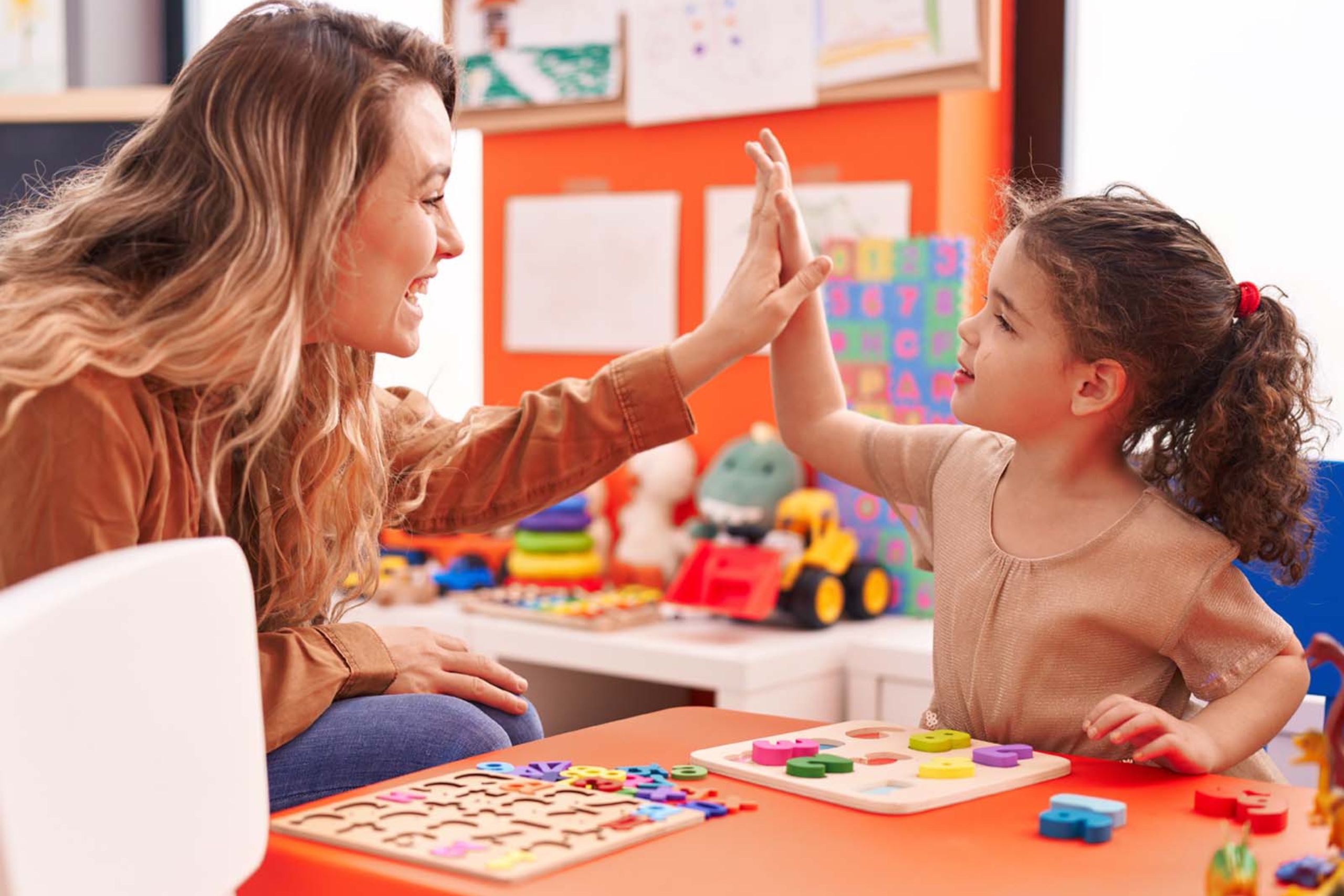


Helping children grow with confidence through structured, compassionate care.
Communication Improvement
Targeted interventions help develop verbal and nonverbal skills essential for expressing needs and thoughts.
Social Skills Development
Children learn key interactions, such as initiating conversation and maintaining eye contact, to improve peer relationships.
Daily Living Skills
Tasks like dressing and personal hygiene are broken down into manageable steps, fostering independence.
Why ABA Sessions Matter
The right therapy schedule creates meaningful progress.
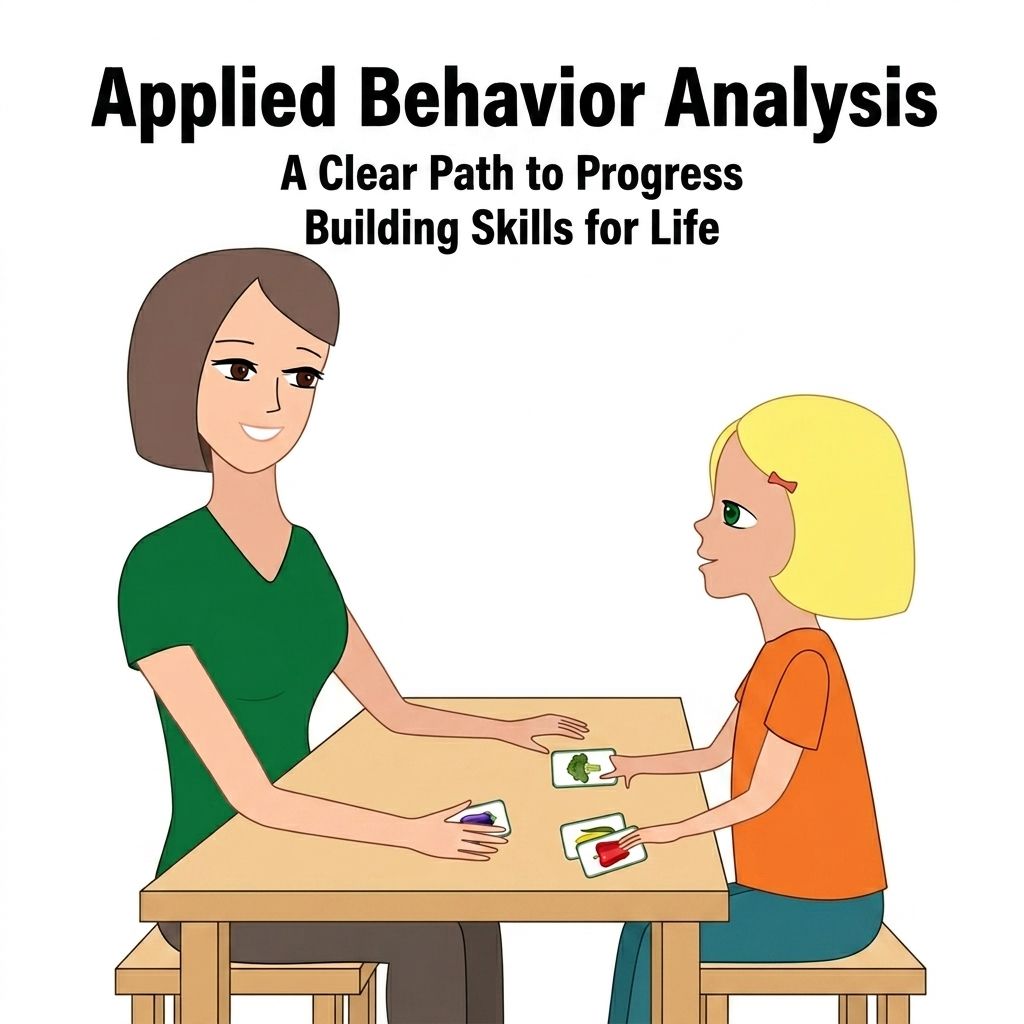
ABA therapy, like any intervention, works best when the sessions match the need. Too few hours may not be enough to build momentum on important skills. Too many hours without the right structure can lead to burnout, especially in very young children.
When families come to Samrasa Child Development Centre. Our ABA & BCBAs conduct a comprehensive initial assessment before recommending a single hour of therapy. That assessment looks at:

Your child's current communication and language skills
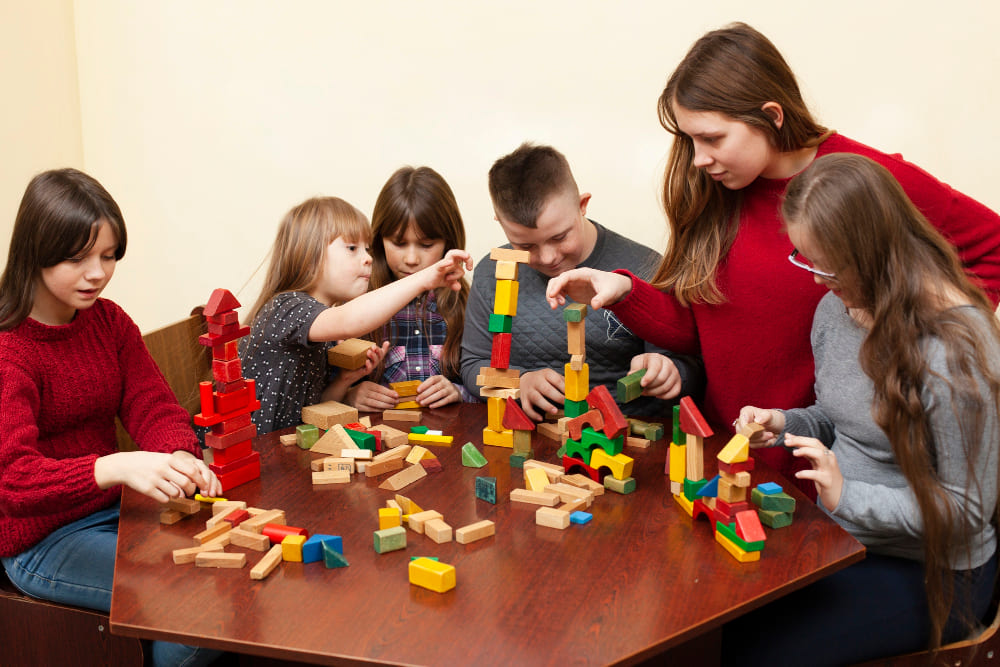
Social and adaptive behavior
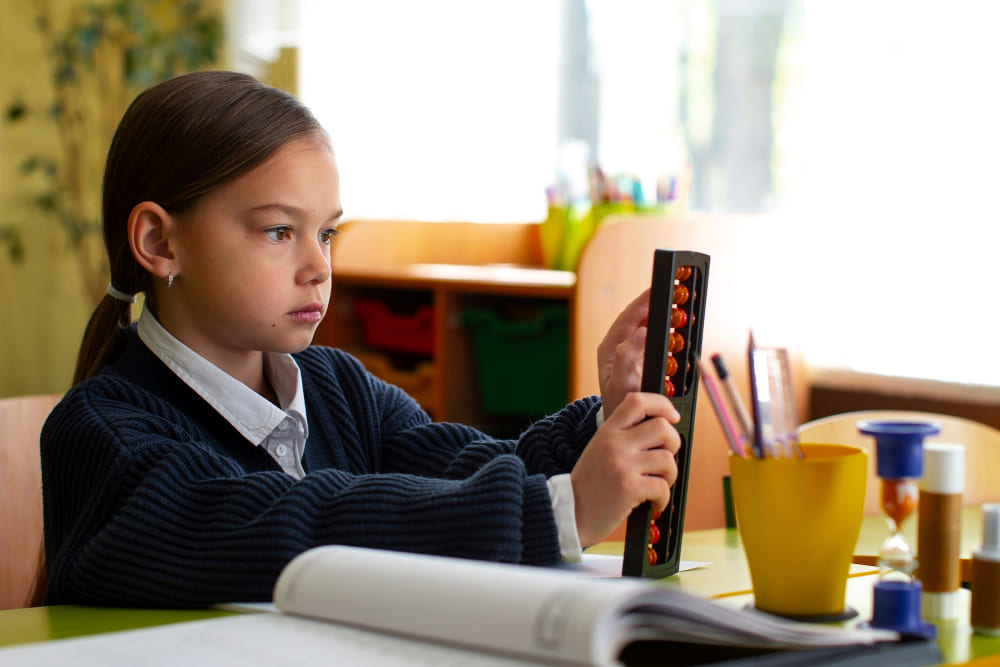
Learning readiness and attention

Family priorities and goals

What environment will be best suited for your child
From there, we build a plan. And that plan includes a recommended number of ABA therapy hours per week that makes sense specifically for your child.
Therapy Programmes
Understanding ABA Therapy Intensity: Two Main Types
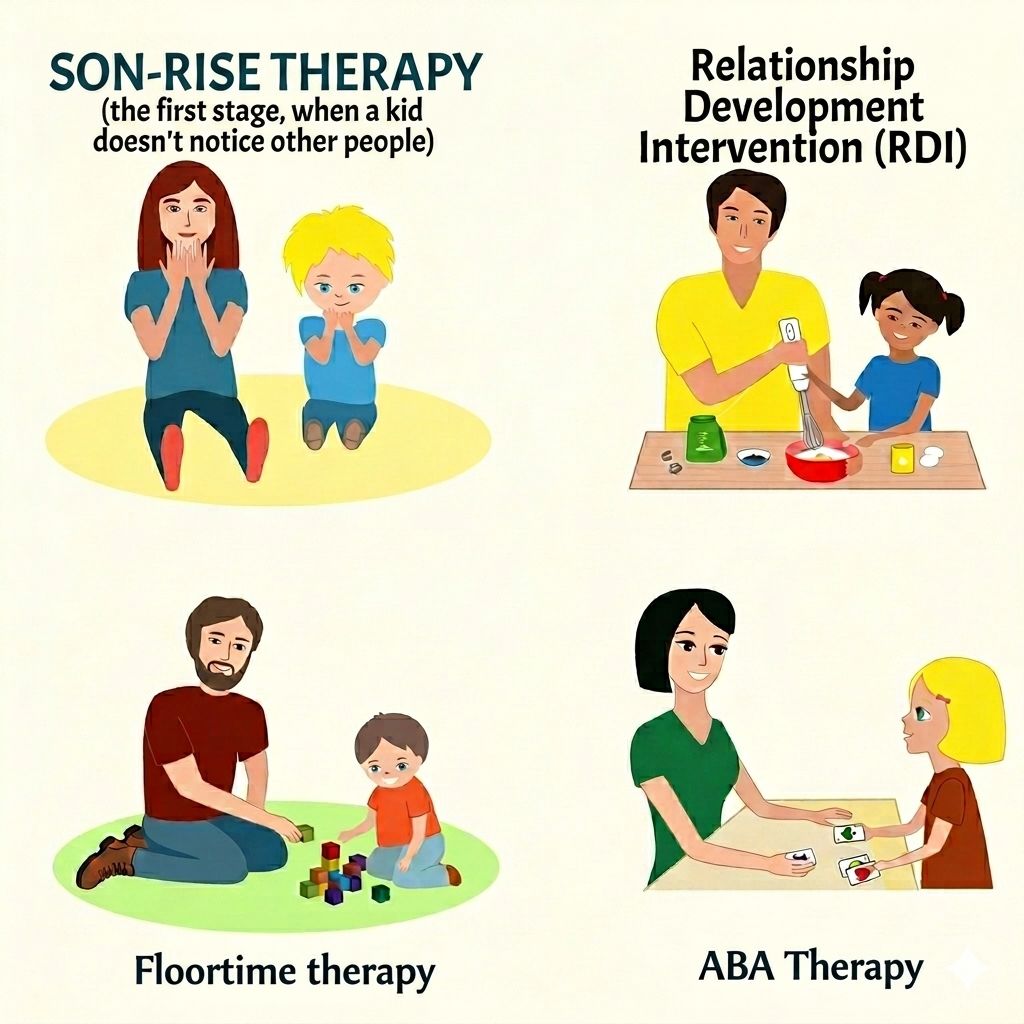
Before we talk numbers, it helps to understand the two general categories of ABA programming.
Comprehensive ABA
9 hrs/week
Intensive Support Programme
This is often called intensive ABA therapy. It is designed for children who have significant support needs across multiple areas, including communication, social
Who this level is typically recommended for:
- Toddlers & preschoolers with a new autism diagnosis
- Children with limited or no functional communication
- High support needs across multiple skill areas
- Children not yet in school or with limited school-based services
Focused ABA
10-20 hrs/week
Targeted Skills Programme
Part-time ABA therapy, or focused ABA, targets specific skills or behaviors rather than broad development. It is a good fit for children who have made progress and need to refine or generalize skills, or for children with mild to moderate support needs.
Who this level is typically recommended for:
- School-age children with additional school-based support
- Children with specific behavioral goals (transitions, social skills, emotional regulation)
- Children stepping down from a more intensive program
- Older children and teens are working on independence and life skills
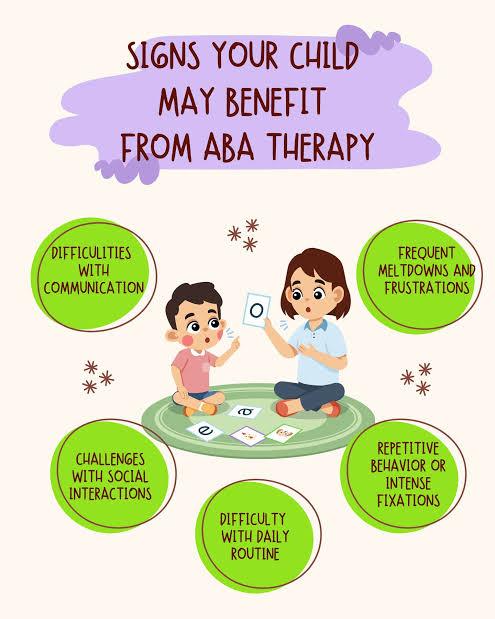
Our Assessment Process
A Plan Built Around Your Child — Not a Template
Our ABA & BCBAs conduct a comprehensive initial assessment before recommending a single hour of therapy. Every recommendation stems from truly knowing your child.
- Current communication and language skills — both verbal and nonverbal
- Social and adaptive behaviour in different environments
- Learning readiness, attention span, and engagement style
- Family priorities, goals, and the best environment for your child
- Recommended therapy hours based solely on your child's needs
Behavior Modification
Positive reinforcement strategies aim to enhance desirable behaviors while decreasing problematic actions.

Start Observing And Tracking Behaviors
One of the most helpful things you can do is begin noticing patterns in your child’s behavior.
Read More
What to track:
What happens before a behavior (trigger)
What the behavior looks like
What happens after (response or outcome)
Example:
Instead of “meltdown,” write:
“Screamed and dropped to the floor when the TV was turned off after 20 minutes.”
This is called the ABC model:
This information will be very useful when therapy begins.
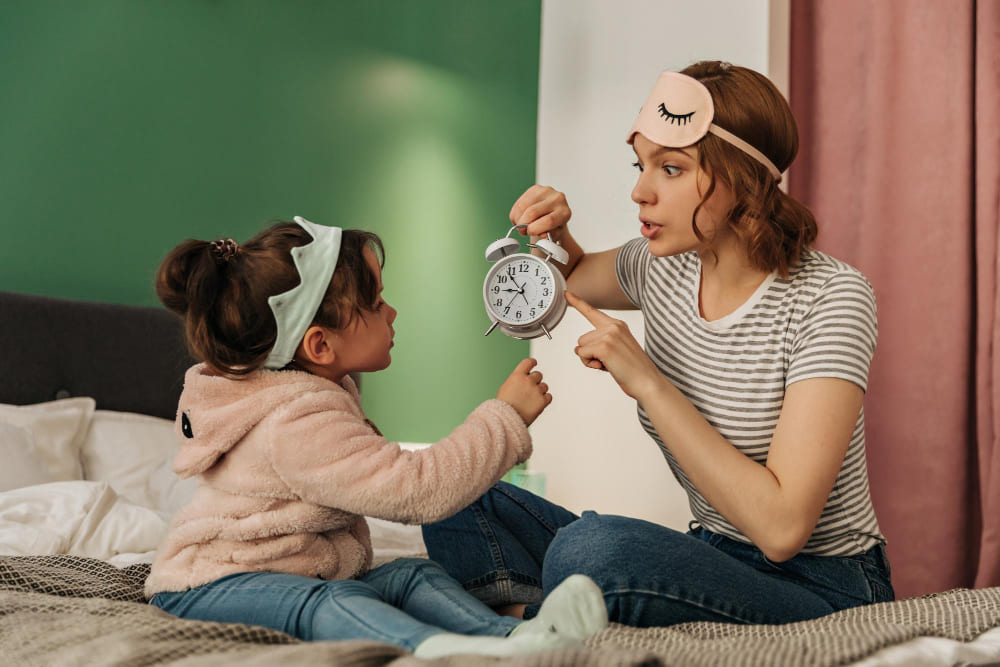
Build Simple, Consistent Daily Routines
Children often feel more secure when they know what to expect.
Read More
Focus on daily structure:
Morning routine
Mealtimes
Playtime
Bedtime
Helpful strategies:
Keep routines in the same order each day
Use simple phrases like “first lunch, then play”
Give transition warnings before changes
Visual supports can help:
Picture schedules
First/then boards
Photos of daily steps
These tools are commonly used in ABA therapy, so early exposure helps.

Use Play To Build Connection
Play is one of the best ways to support development while waiting.
Read More
Try child-led play:
Follow your child’s interests
Join their activity without taking over
Copy what they do
Comment simply on what is happening
Good activities:
Cause-and-effect toys
Turn-taking games
Books and shared reading
Sensory play
The goal is connection, not instruction.

Encourage Communication Every Day
You can create simple opportunities for communication throughout the day.
Read More
Try these strategies:
Pause before giving a snack or toy
Offer two choices (“apple or banana?”)
Wait for any response (sound, gesture, word, eye contact)
Praise all communication attempts
Even small attempts matter and should be encouraged.
If needed, you can also explore:

Learn The Basics Of ABA
You do not need to become an expert, but understanding a few basics can help.
Read More
Key idea:
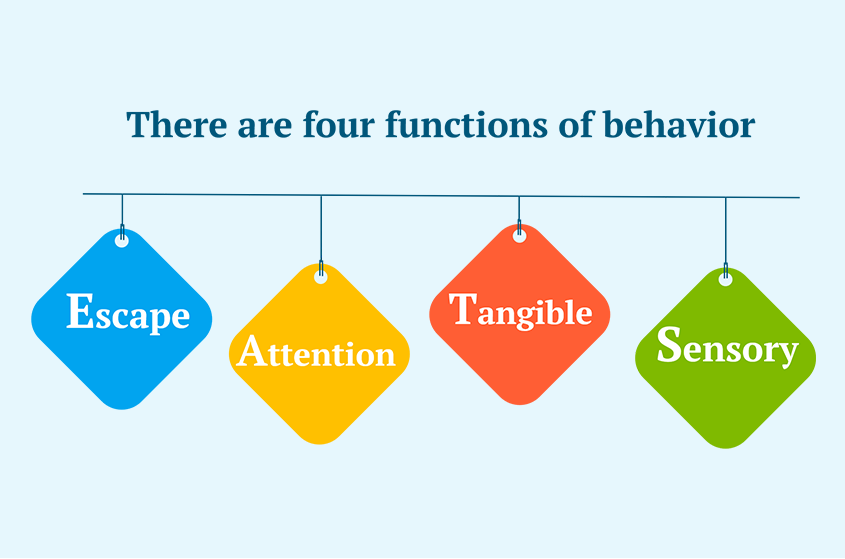
Behavior often has a purpose.
Common functions of behavior:
Attention
Escape (avoiding something)
Access to items or activities
Sensory needs
Understanding this helps you respond more effectively to behavior at home.
Many providers also offer parent education before therapy begins.
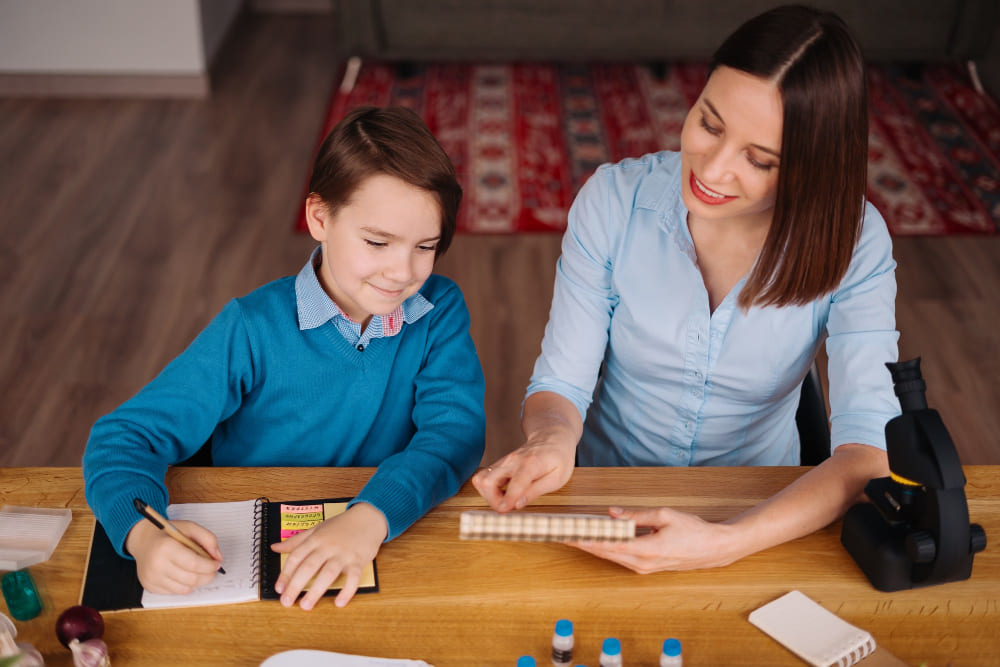
Practice Short Separations And Focused Activities
This can help prepare your child for therapy sessions.
Read More
Try:
Short separations with another trusted adult (5–10 minutes)
Simple seated activities like puzzles or drawing
Shared book reading
Matching games
Keep sessions:
Short
Calm
Positive
Ended before frustration builds
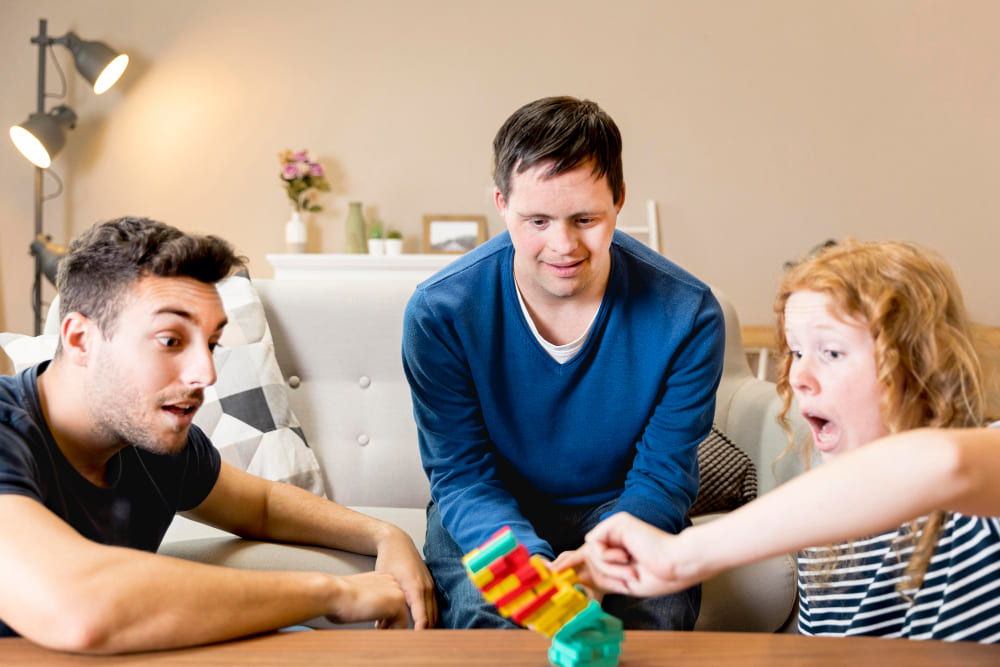
Take Care Of Yourself Too
Waiting for services can be emotionally exhausting.
Read More
Helpful supports:
Parent support groups (online or local)
Autism family communities
Speaking with a counselor or therapist
Asking for help when needed
Contact Info :-
Email Address
care@samrasa.org
Contact No
+91-9711001334, 0124 466 9180
Office Address
G-154 South City-2
Contact Timing
9:30 a.m to 6:00 p.m
Book Assessment
Book a free initial assessment with our BCBA team. No commitments — just a conversation about what your child needs and how we can help.